Employee value and retention

7.13/10
is how valued employees feel on average, so there’s clearly more to do

8.57/10
is how valued employers reckon employees feel, showing a perception gap

40%
of undervalued employees plan to
leave in 2026
- Changing expectations
Changing expectations
As pressures grow, people are looking to their employers for more support than salary alone.
They want meaning in their roles, a sense of purpose, and to know their organisation really values them.
When that happens, they’ll feel recognised for what they do and more connected to the culture around them – making them more likely to stay.

- Replacing knowledge
- Cultural impact


Changing expectations
As pressures grow, people are looking to their employers for more support than salary alone.
They want meaning in their roles, a sense of purpose, and to know their organisation really values them.
When that happens, they’ll feel recognised for what they do and more connected to the culture around them – making them more likely to stay.



Lack of investment and stakeholder buy-in often get in the way of employees feeling valued. Turning employee value into something leaders can see and measure changes that.
Focus on:
- Translating HR metrics into business outcomes leaders care about
- Tracking early turnover and talent loss
- Making the cost of recruitment and engagement visible
A strong start plays a big role in early retention. How you recruit, onboard and train new starters shapes how confident and informed they feel from day one.
Focus on:
- Clear role expectations
- Your mission, purpose and culture
- Making reward and benefits visible from the start
Managers shape the everyday employee experience, yet many step into the role without training. Giving them the right support helps them stay, and helps their teams stay too.
Focus on:
- Wellbeing training that supports open conversations
- Tools for building positive, high-performing teams
- Simple ways to recognise and reward their teams
As people look for better balance between work and life, flexibility becomes more important for retention. Giving more control over how and when they work makes your organisation a place they want to stay.
Focus on:
- Clear, transparent flexible working policies
- Boundaries that protect time and energy
- Autonomy in how work gets done

Today’s workforce spans more generations than ever, each with different needs and expectations. Creating shared experiences, while staying flexible, helps people feel like they belong.
Focus on:
- Understanding the different needs across your workforce
- Meeting people where they are
- Offering flexible benefits and tools
Purpose brings people together. Regular reminders of why your organisation exists, and how individual roles contribute, help build connection and loyalty.
Focus on:
- Bringing your values and mission into everyday work
- Linking recognition to real business impact
- Using town halls to connect priorities back to purpose
Autonomy and trust have a massive impact on how people feel about work. Clear expectations and real ownership help people feel confident in what they do.
Focus on:
- Clear objectives at an individual and team level
- Ownership that links day-to-day work to organisational goals
- Flexible collaboration that values different skills
Inclusive cultures make people feel seen for who they are. When inclusion is authentic, people feel they can be themselves at work.
Focus on:
- Asking your people what they want and need
- Being clear and open about the support available
- Using data to spot any inclusion gaps
- Giving managers the skills to engage people and build belonging

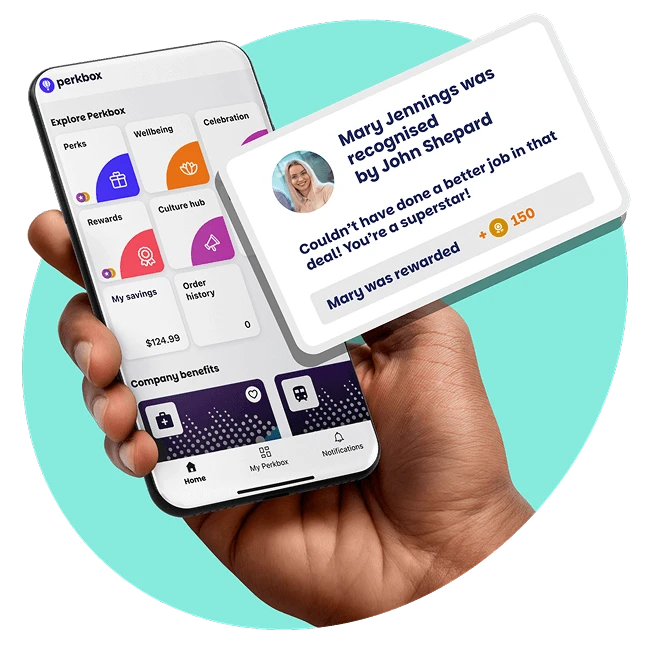
Recognition plays a big role in how people experience work. When it’s part of everyday culture, it builds connection, boosts engagement, and helps people feel valued. If it’s inconsistent or overlooked, people are more likely to leave.
Focus on:
- Timely, meaningful recognition
- Regular, consistent appreciation
- Recognition from leaders and peers
People want to work for employers who genuinely care about their wellbeing. If you miss the mark on meaningful support, people might start to look elsewhere.
Focus on:
- Encouraging open conversations about wellbeing
- Giving managers the confidence to have meaningful check-ins
- Offering benefits and initiatives that support wellbeing and everyday health
The cost of living is still putting pressure on pay, and financial stress can affect performance, wellbeing and retention. Helping people make their money go further shows real commitment and promotes loyalty.
Focus on:
- Benefits that support budgeting and financial education
- Normalising conversations around money
- Clear signposting to trusted resources and guidance
Investing in learning and development shows you’re committed to your people’s growth. When people can see where they’re heading and feel supported along the way, they feel more motivated and valued.
Focus on:
- Lunch and learn sessions with internal or external experts
- Dedicated training budgets
- Internal mentorship programmes